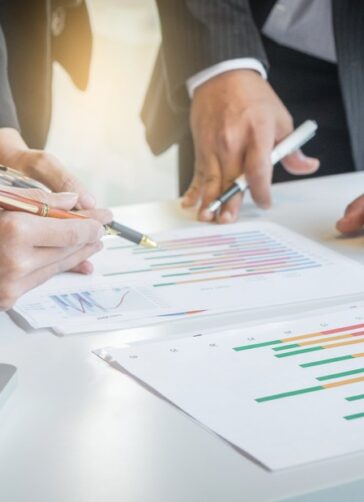

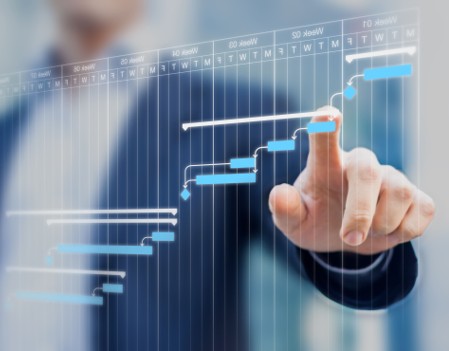
Equipo trabajando en consultoría en Gestión de Proyectos
Structuring, Rescue and Acceleration of Projects

Project Management Consulting

At Linnoit, our Project Management Consulting is designed to maximize performance, reduce risks and ensure concrete results from planning to execution. We offer this service to organizations in Mexico and Latin America, integrating proven methodologies and specialized leadership, adapted to the context and challenges of the region.

Furthermore, according to the “Pulse of the Profession” study by the Project Management Institute (2016), a poorly managed project can waste up to 12.2% of the allocated resources. This fact reinforces the importance of having a structured, professional and results-oriented management from the beginning.


Services

Our Project Management Consulting Services

At Linnoit, with our Project Management Consulting, we design, execute and optimize strategic projects through methodologies adapted to your needs. Below, we present our main services:

Implementation of Project Management Office (PMO)

We establish and strengthen PMOs (Project Management Offices) that ensure control, strategic alignment and standardization in project execution:

  • PMO organizational structure design.
  • Dashboards with KPIs and OKRs.
  • Training and coaching to project leaders.

Outsourced Project Management (PM in Charge)

We assign expert Project Managers to lead your projects from planning to delivery, using predictive, agile or hybrid methodologies:

  • Scope, schedule and resource planning.
  • Coordination of internal and external teams.
  • Progress, risk and budget control.
  • Weekly executive reports.

Project Management Staffing

We support you with specialized profiles (PM, Scrum Master, Project Analyst) to temporarily strengthen your teams:

  • Provision of validated and certified talent.
  • Rapid integration to existing teams and methodologies.
  • Flexibility by project, period or workload.

Process and Change Management Consulting

We support process improvement and change management in digital transformation, restructuring or operational optimization projects:

Do you have any questions? Schedule a session with a consultant.

Methodologies and tools

Methodologies and tools used by our Project Management Consulting Firm

Professional tools we use

As subject matter experts, we have experience with market-leading tools to ensure visibility, collaboration and control at all levels of project management:

  • MS Project / Smartsheet / Celoxis: for detailed planning, portfolio tracking and resource control.
  • Trello / Asana / Jira: for agile task management, backlog and collaboration in multidisciplinary teams.
  • Miro / Lucidspark: for workshop facilitation, collaborative design and visual thinking.
  • Power BI / Tableau: for building dynamic dashboards, executive reports and real-time KPI tracking.

At Linnoit, we apply methodologies adapted to the type of project, its complexity and the client’s objectives. This methodological flexibility allows us to deliver real value, ensure quality and improve control of each stage of project management. Here’s how we work:

Traditional Methodologies (PMI / PMBOK)

These types of methodologies (PMI / PMBOK) are ideal for managing projects with clearly defined requirements from the outset, such as infrastructure projects, compliance or regulatory implementations. In this approach we work with planned phases, formal deliverables and rigorous control processes.

We perform practices such as the following:

  • Detailed scope, time and cost planning.
  • Change control and risk management.
  • Complete technical documentation and traceability of deliverables.

Agile Methodologies (Scrum / Kanban)

This approach, based on methodologies such as Scrum and Kanban, is especially recommended for digital projects, innovation projects or projects that are developed in changing environments. Thanks to its flexible structure, it allows for greater adaptability and incremental value delivery through short cycles, known as sprints.

In our practice, we apply the following key elements:

  • First, iterative sprints that generate functional deliverables on a continuous basis.
  • In addition, we incorporate agile ceremonies such as dailys, retrospectives and reviews to foster continuous improvement and team alignment.
  • Finally, we visualize the work with agile dashboards and metrics, such as burn down charts and velocity, allowing for clear tracking of team progress and capability.

Hybrid approach

We combine elements of traditional and agile approaches to manage projects that require both structure and adaptability. This model is ideal for complex initiatives such as digital transformations, system implementations or mergers.

We apply a hybrid strategy that combines the best of both worlds, integrating structured planning practices with flexible execution, including:

  • PMI type initial planning, with control structure.
  • Agile execution based on rapid delivery cycles.
  • Dynamic task prioritization and continuous feedback.

Lean and CCPM (Critical Chain)

These methodologies (Lean and CCPM) are focused on maximizing efficiency, reducing waste and focusing on what really generates value. They are ideal for improving execution in operational and high volume environments.

We apply continuous improvement principles to optimize processes, eliminate inefficiencies and focus resources on what really generates value.

  • Identification and management of bottlenecks.
  • Downtime reduction and resource optimization.
  • Prioritization based on real system constraints.

Ready to start your project with us?

When is it advisable to hire our Project Management Consultancy?

With our Project Management Services, we accompany organizations that need to structure, rescue or accelerate key projects. These are some common scenarios in which our services generate high value:

  • When a project has slipped in time, cost or quality.
    Our consultants identify root causes, redesign the plan and regain control.
  • When a PMO needs to be implemented or strengthened.
    We establish governance structures, flows and standards that ensure consistency across projects.
  • When the internal team does not have the experience or availability to lead the project.
    We provide certified Project Managers who integrate and lead with adapted methodologies.
  • When you are looking to execute a digital transformation or an organizational change.
    We manage the change from strategy to adoption, minimizing resistance and accelerating results.
  • When visibility and control is required in complex projects.
    We use advanced tools to generate dashboards with key performance indicators (KPIs) that allow you to make decisions with real-time data.

Expected benefits and results of Project Management Consulting

Working with Linnoit not only means executing projects, but ensuring that they generate tangible value for your organization. These are the main benefits our clients experience with our Project Management Services:

  • Total strategic alignment.
    Each project is directly connected to the business objectives, avoiding dispersed efforts or without impact.
  • Cost reduction due to rework or poor planning.
    Our processes ensure an efficient execution, based on real scenarios, risks and resources.
  • Rigorous compliance with deadlines and deliverables.
    Thanks to methodological control and the use of advanced tools, we anticipate deviations and make timely decisions.
  • Executive visibility at all times.
    We generate customized dashboards with relevant KPIs for management and area leaders.
  • Adaptability without losing control.
    In changing environments, our hybrid approaches allow you to move forward without compromising scope or quality.
  • Increased organizational maturity in project management.
    With each intervention, we leave capabilities installed in your team, strengthening its autonomy and efficiency.

Typical improvement indicators observed in Project Management

  • Reduction of up to 30% in schedule deviations.
  • Increased team productivity by up to 25%.
  • Improved compliance with key deliverables by over 95%.

Ready to take your projects to the next level?

At Linnoit we are ready to help you manage projects with greater control, visibility and concrete results. Choose the next step that best suits your needs:

📄Do you have an upcoming project or a specific management challenge?

Tell us briefly about your situation and we will prepare a technical and economic proposal aligned to your needs.

🧭 Request a free session

Request a session with one of our consultants to analyze your current situation and provide you with actionable recommendations.

📞 Do you prefer a direct call?

Contact us via WhatsApp (bottom right corner) or leave us your contact information.

Frequently Asked Questions – Project Management Consulting

A Project Manager is responsible for ensuring that a project is planned, executed, and completed successfully, meeting the objectives of scope, time, cost, and quality. First, they define the deliverables and align all stakeholders around a common goal. Then, they develop a detailed plan that includes schedule, resources, budget, and risk management. During execution, they coordinate the team, monitor progress, and resolve any deviations that could affect project performance. Additionally, they maintain constant communication with stakeholders to ensure transparency and informed decision-making. Finally, at project completion, they conduct a comprehensive evaluation, validate deliverables, and document lessons learned for future projects.

Hiring a Project Manager allows you to align teams, resources, and strategic objectives efficiently. Practically, this means ensuring that the right people do the right work within a well-defined time and budget framework, and that the results obtained are measurable and verifiable at the end of the project.

A Project Manager should possess a combination of technical, strategic, and soft skills to successfully lead projects. They must master project management tools and methodologies such as PMI, Agile, or Scrum, as well as have solid knowledge in planning, cost control, and risk analysis. Effective communication skills are essential, as they must coordinate multidisciplinary teams and facilitate decision-making across areas. Leadership is also key, as a good PM inspires, motivates, and guides the team to meet objectives under pressure. Additionally, analytical capability is necessary to anticipate problems and make data-driven decisions. Finally, adaptability is essential because changing environments require rapid responses without losing strategic focus.

A Project Manager is responsible for planning, coordinating, and controlling all project stages to ensure success. First, they define the scope, goals, and deliverables with stakeholders. Next, they create a detailed plan that includes schedule, resources, budget, and risk management. During execution, they supervise progress, lead the team, resolve obstacles, and ensure effective communication among all parties. They also implement controls to keep the project on schedule, within budget, and maintaining quality. Finally, at the end of the project, the PM evaluates results, documents lessons learned, and validates that strategic objectives were met.

A Project Manager uses various technological tools to efficiently plan, monitor, and control project progress. They use management platforms such as Microsoft Project, Smartsheet, or Celoxis to define schedules, assign resources, and control progress. In agile environments, collaborative boards like Trello, Jira, or Asana help visualize tasks, organize sprints, and facilitate communication. For remote collaboration and co-creation workshops, tools like Miro or Lucidspark are useful. PMs also rely on analysis and visualization solutions such as Power BI or Tableau to build dashboards with KPIs and make data-driven decisions. Finally, platforms like Google Workspace or Notion are often used to keep all information centralized and accessible to the team.

Hiring a Project Manager brings multiple benefits that directly impact project efficiency, control, and success. First, it enables strategic planning from the beginning, which reduces risks and avoids improvisation. A PM also ensures that human, financial, and material resources are used optimally and aligned with project objectives. Additionally, it improves coordination between areas, resulting in smoother communication and reduced operational friction. Furthermore, having a PM guarantees constant monitoring of schedule, budget, and quality, allowing for timely detection of deviations and informed decision-making. Finally, specialized technical leadership significantly increases the chances of meeting the objectives within the agreed timeframe and conditions.

Clients

Some of our clients

For Linnoit it is fundamental to achieve a satisfactory experience for our customers, that is why we always seek to be in tune with their expectations, and not only meet them, but exceed them.